Today is the feast day of St. Etheldreda, and I find myself thinking about her not just as a historical figure or a distant saint, but as a friend. A companion, really. One who’s walked with me quietly for the last ten years.
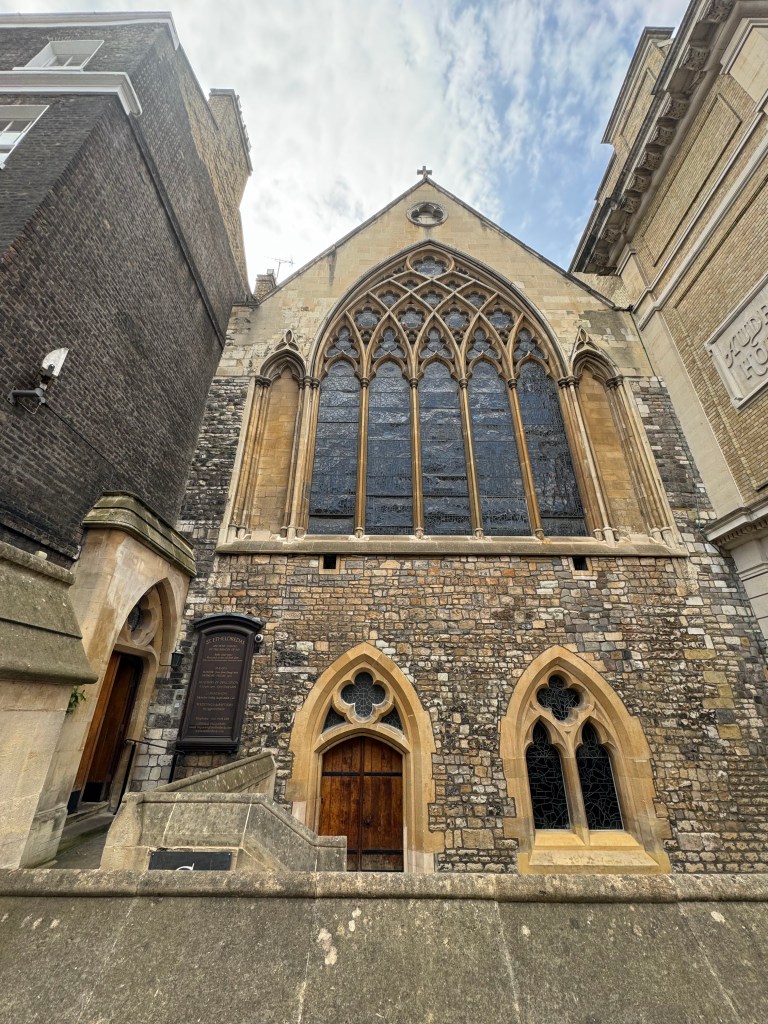
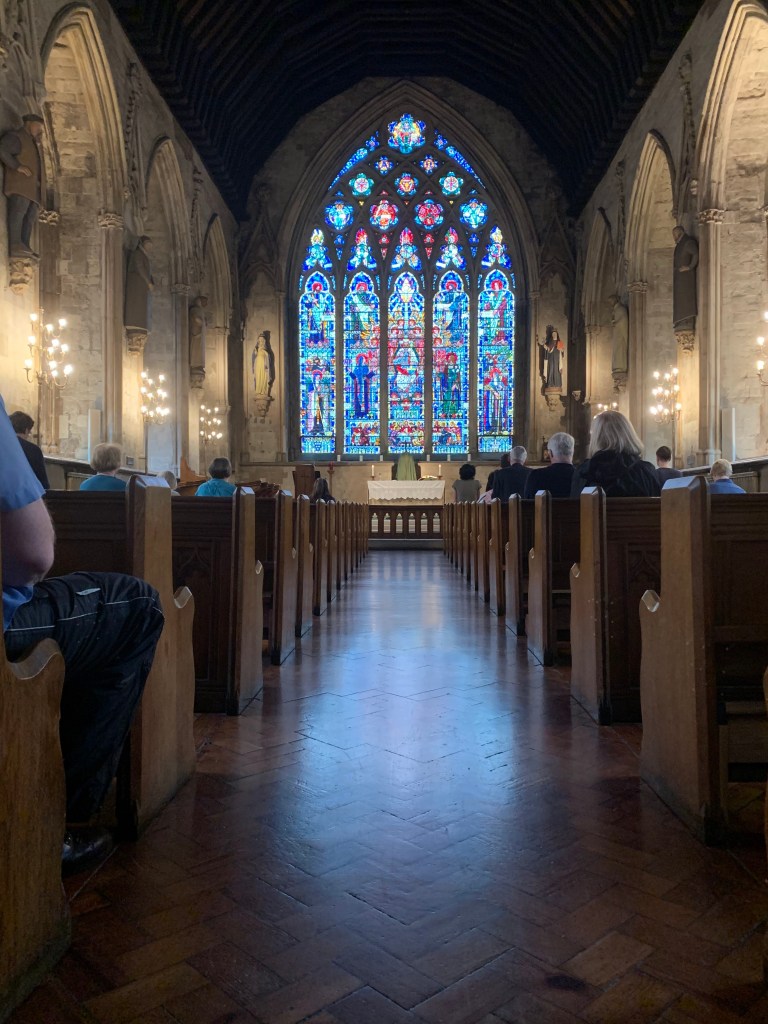
I first met her not through a book or a homily, but by accident – though I don’t really believe it was an accident. I had recently come into the Church and was exploring London, still learning the language of Catholicism and carrying the quiet excitement of a new convert. One day, I stepped off the busy street near Holborn and found myself in a little alleyway. There, like a secret, was St Etheldreda’s Church. It was the first Catholic church I’d ever stepped into in England.
And it was hers.
That church, the oldest Catholic building still in use in England, felt like a pocket of peace. It still does. Something about it feels timeless, like a piece of the Church that somehow made it through the storms of history and quietly remained. And Etheldreda, the woman it’s named after, became part of my story that day.
So who was she?
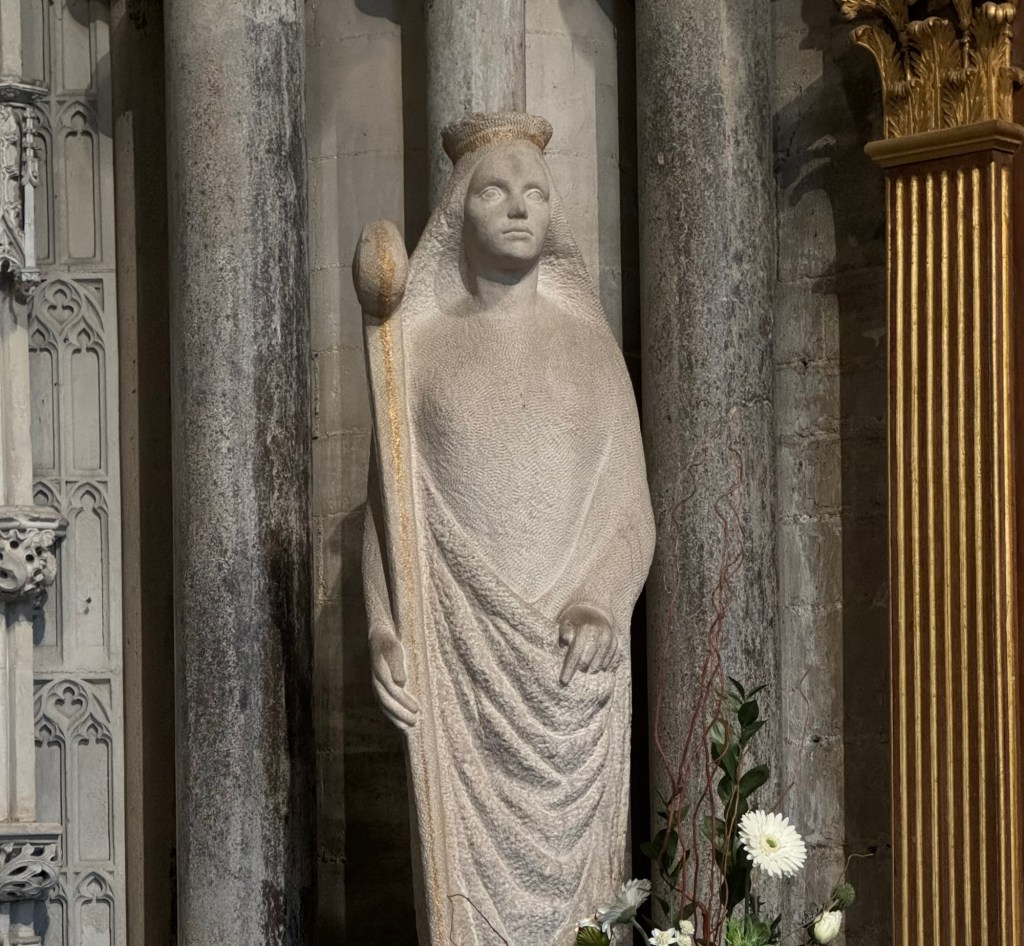
Etheldreda (or Æthelthryth) was born around 636 AD into the royal family of East Anglia. She was a princess, surrounded by the power and politics of early medieval England. But even from a young age, her heart was set apart. She desired a life of chastity and prayer, a startling choice for someone of her position.
She entered into two marriages, both for political alliances, but held fast to her vow of virginity. Her second husband, King Egfrith of Northumbria, eventually pressed her to consummate the marriage, but Etheldreda fled with the help of her confessor, St. Wilfrid, and took refuge on the Isle of Ely, land that had once been her dowry.
There, she founded a double monastery for men and women, and became its abbess. It was more than a religious community, it was a center of faith, learning, and spiritual strength in early Christian England. Etheldreda led with holiness, humility, and a quiet power that drew others in.
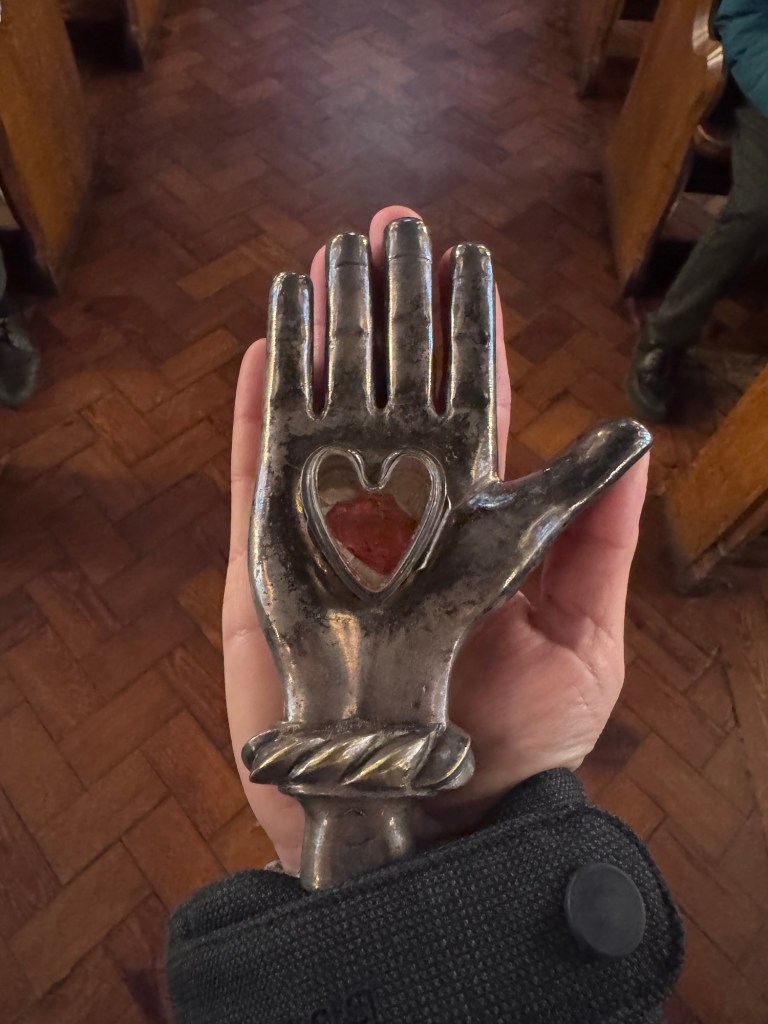
She died in 679 from a painful neck tumor, which she welcomed as penance for the vanity of her youth. When her body was exhumed, it was found to be incorrupt. No signs of decay. Her linen burial garments were still white, her skin untouched. To those who had known her in life, it was confirmation of what they already believed.
As Bede so beautifully wrote:
“God, in His goodness, so ordered her temporal death that the corruption of the grave could not mar that body which had never known corruption in this life.”
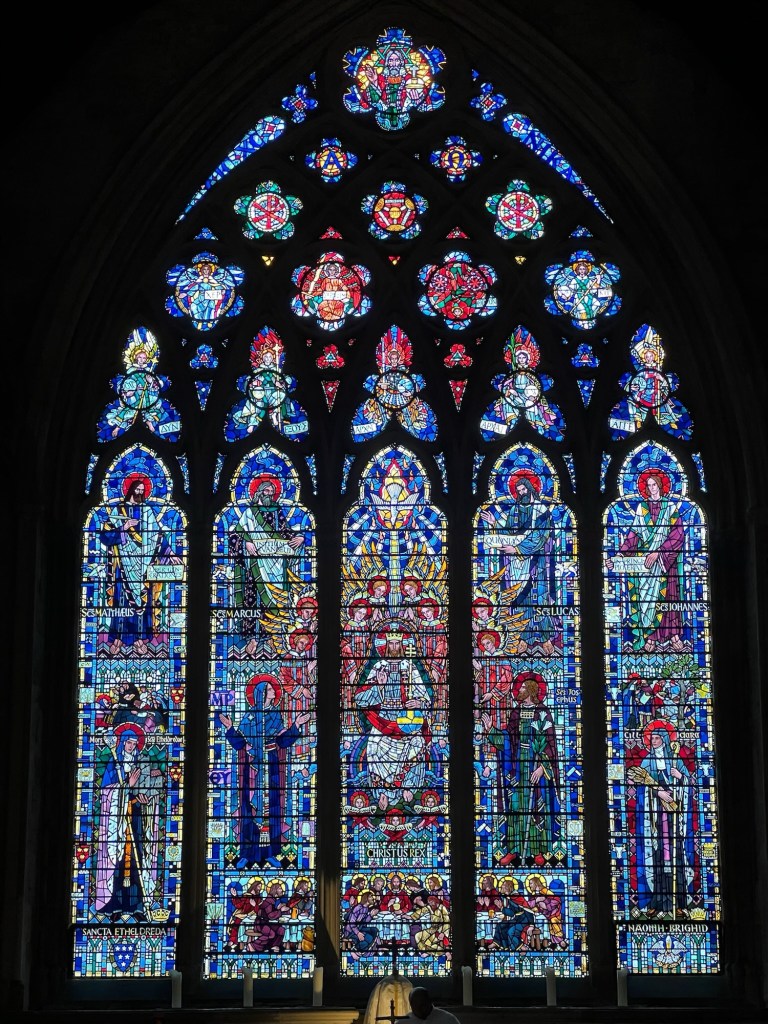
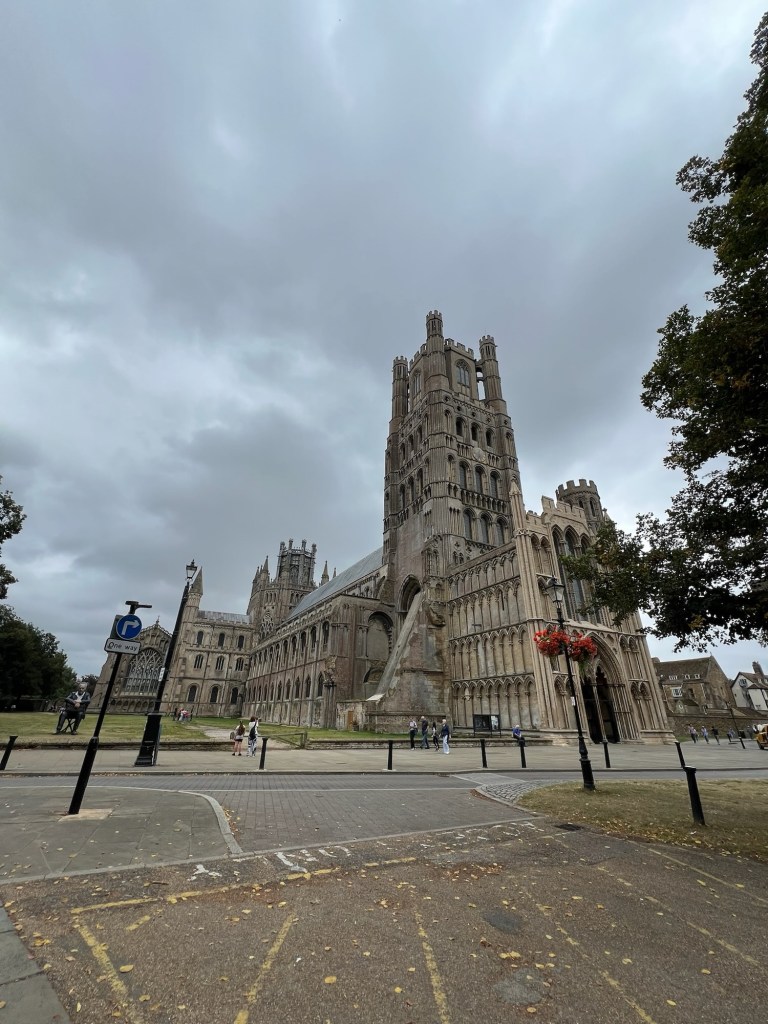
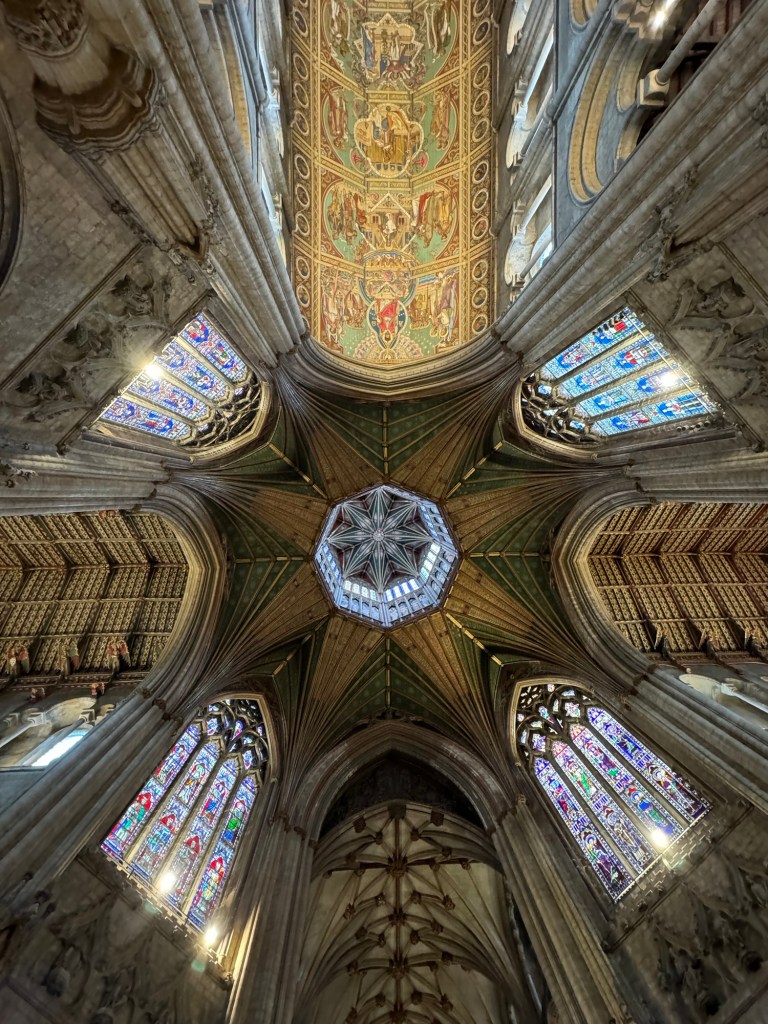
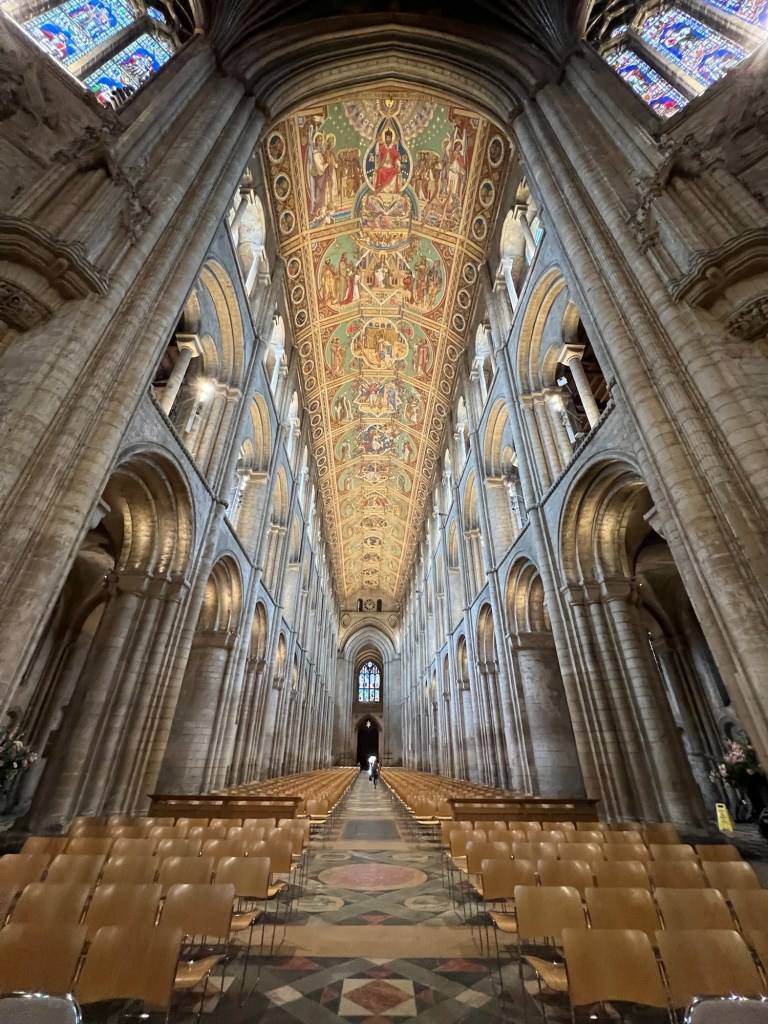
Ely became one of the most important pilgrimage sites in England during the Middle Ages. Her shrine was adorned with gold and jewels, and pilgrims came from across the country to pray at her tomb. The great Ely Cathedral was built in her honor – its octagonal lantern tower still stuns visitors today. Her feast day, celebrated today, June 23rd, was once one of the great celebrations of the English Church.
That one line has always stayed with me. It speaks to the purity of her life, but also to the way God honors the quiet sacrifices no one else sees.
During the Reformation, her shrine was destroyed and her relics lost. But somehow, her memory never disappeared. And when Catholic worship returned to London in the 19th century, the hidden chapel on Ely Place was quietly restored to her name.
To me, Etheldreda is a saint of endurance. Of quiet strength. Of holiness that doesn’t seek a spotlight but leaves a lasting mark anyway. She represents the best of what English Catholic history has to offer—deep roots, beauty forged through suffering, and a faith that keeps going.
Every time I step into that chapel off Holborn, I think of her. I think of what it meant for her to walk away from power, from privilege, from comfort – to say yes to the life God was calling her to. And I think of how many people, for over a thousand years, have whispered prayers in her name, trusting she’d hear.
And for me, there’s one more layer. Etheldreda is traditionally invoked as a patron saint of throat and neck ailments because of her own suffering. As someone who lives with Graves’ disease, a thyroid condition that affects my own neck, I feel that connection deeply. It’s not just symbolic. It’s real. I’ve often asked for her intercession when I feel worn down or unwell. And I genuinely believe she’s held me through it.
Today, I’m lighting a candle for my friend Etheldreda. Grateful for her courage, her witness, and her quiet companionship in my faith journey. She was part of the Church’s beginning in England, and for me, she was part of my beginning too.

 Hidden Catholic
Leave a comment