Our family trip to the Northeast turned out to be a chance to see a part of England where the early Church still feels very present. It’s a region shaped by coastline and open skies, monasteries and castles, and a history that settles into the landscape rather than sitting behind glass. What surprised me most was how naturally everything fit together – the stories of Cuthbert and Bede, the rhythm of the tide at Lindisfarne, the quiet corners of Jarrow, and the more modern notes of Cragside. Nothing felt disjointed. It all belonged to the same place.
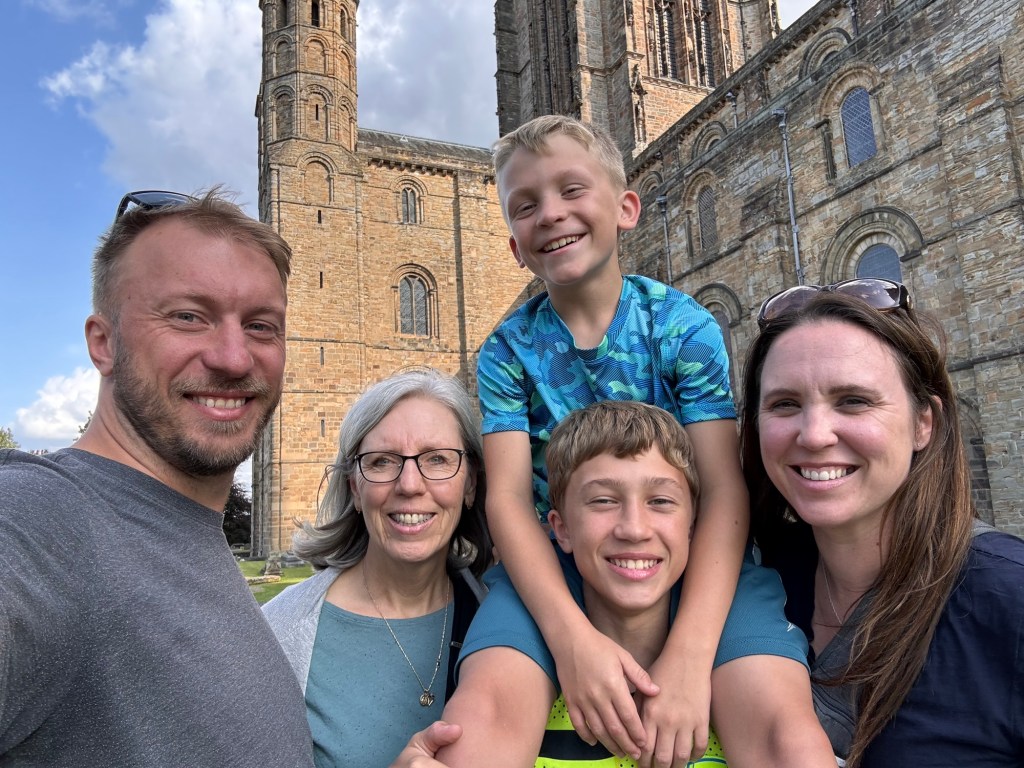
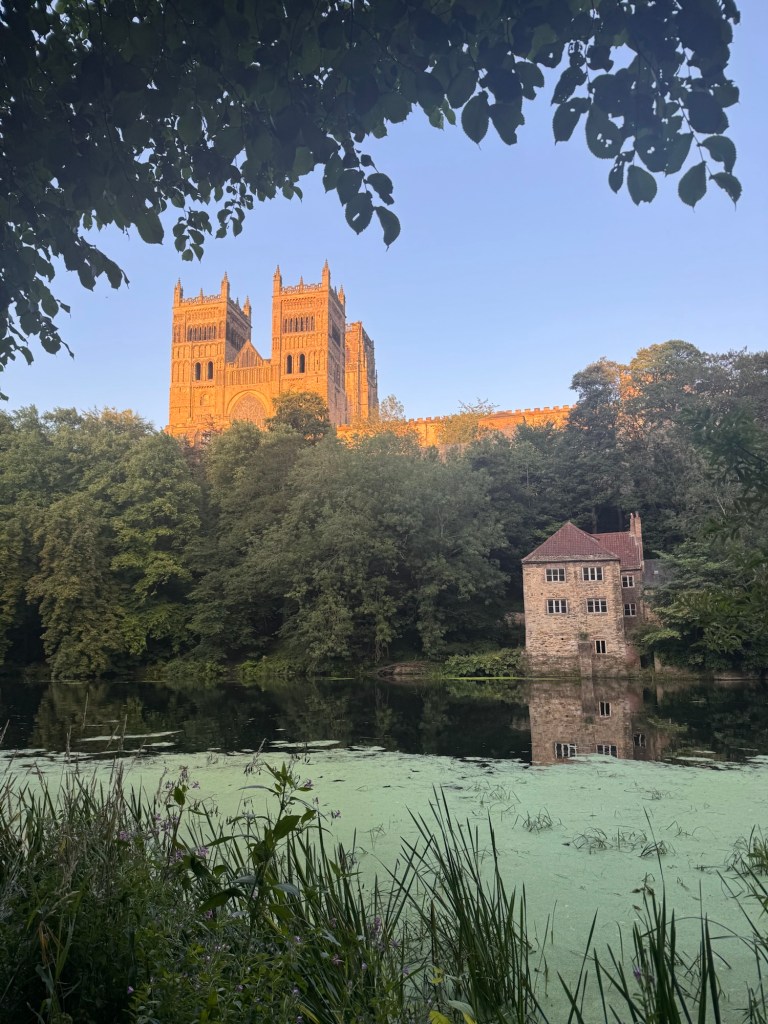
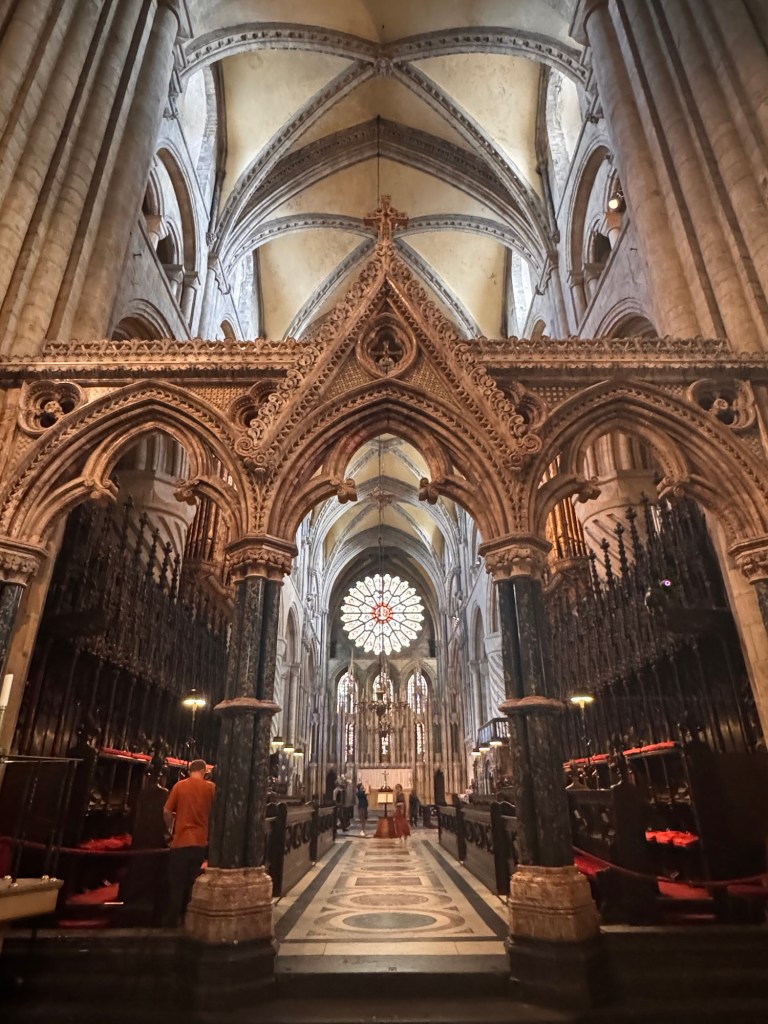
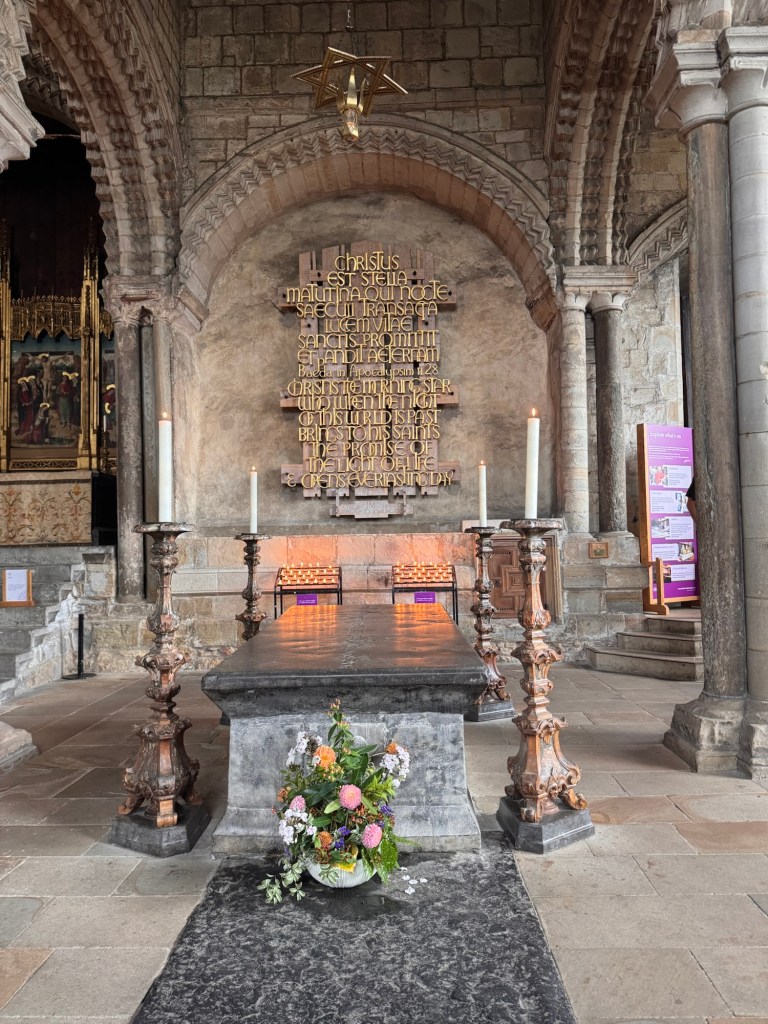
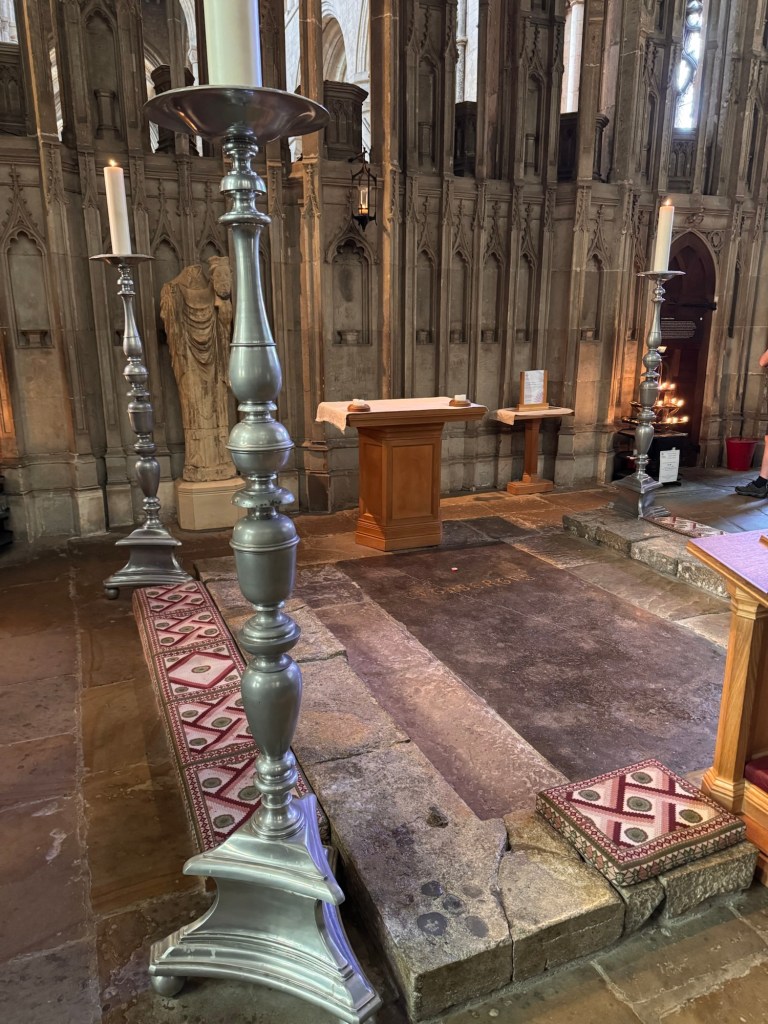
The Northeast is, in many ways, where the Church in England took its first confident steps. Cuthbert’s life moved through this landscape, from Lindisfarne to the Farne Islands and eventually Durham, and seeing those places in person made his story feel grounded and real. Durham Cathedral, built around his relics, carries that sense of depth. It’s impossible to walk through it without feeling the weight of how many people made their way there over the centuries. The cathedral isn’t only impressive; it’s purposeful, built with the intention of honouring someone whose presence shaped the region.
Bede’s story is quieter but just as important. Jarrow doesn’t overwhelm you with grandeur, and that’s part of its strength. You stand where he lived, prayed, and wrote, and the simplicity of the site helps you imagine what daily monastic life looked like – steady, thoughtful, rooted in routine. His world was small in geography but enormous in influence, something you understand differently when you’re standing where his life unfolded.
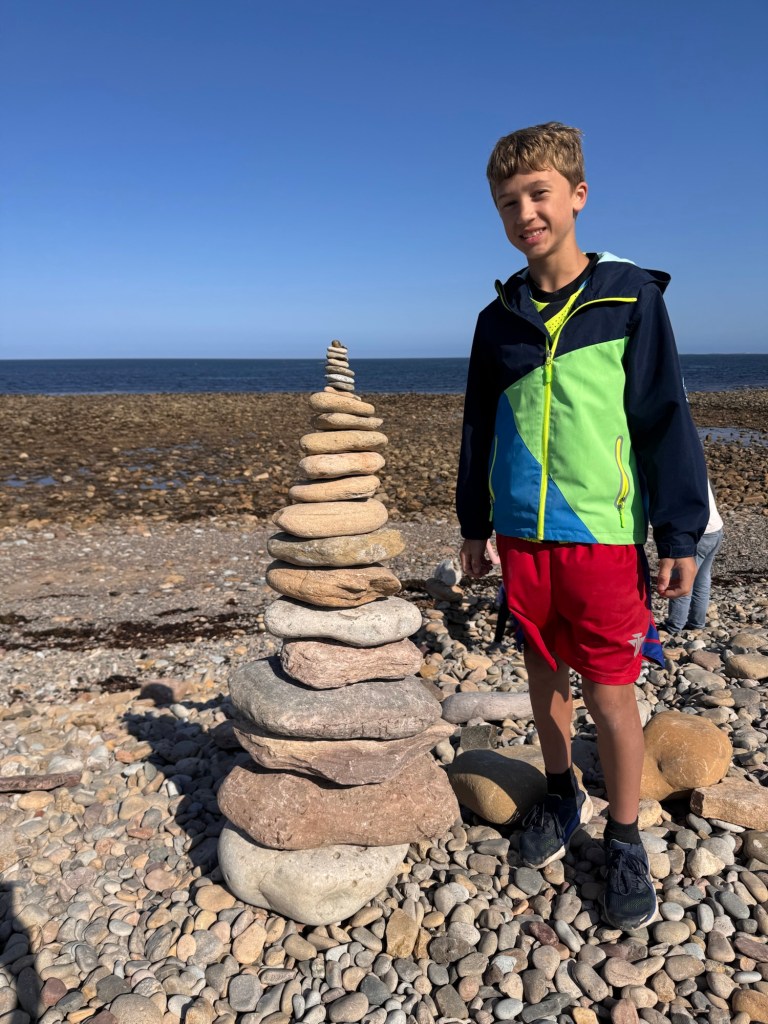
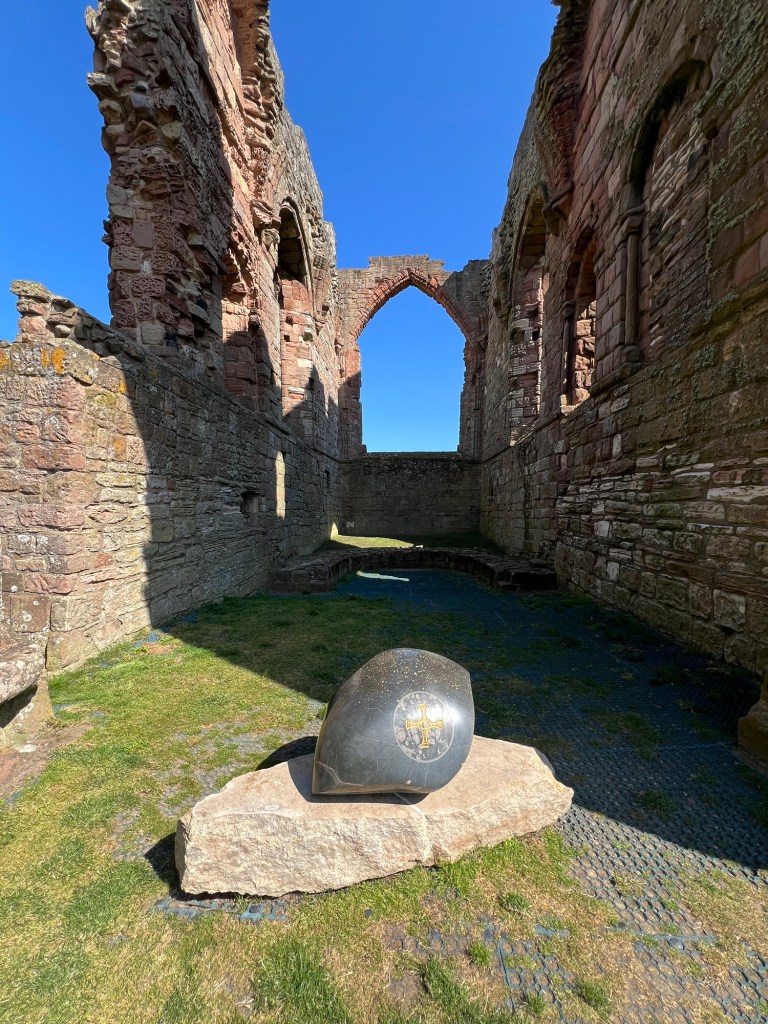
Lindisfarne brings the two threads together. The island’s tidal rhythm alone tells you that this isn’t an ordinary place. The early monks lived with the pull of the sea, relying on its patterns. We wandered the ruins, watched the water shift, and spent time along the shore where the kids stacked smooth stones into towers. It was a simple moment, but it captured the mixture of quiet and movement that defines the island. Lindisfarne has always held both – prayer and practicality, solitude and community.
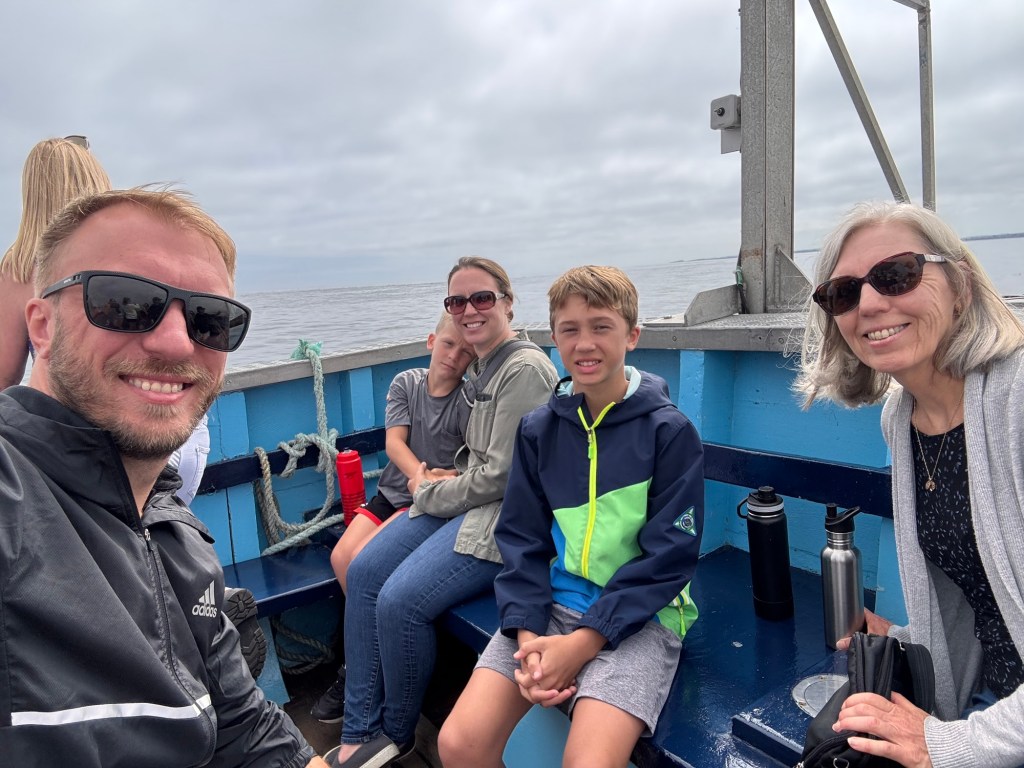
Out on the Farne Islands, the coastline gave us another glimpse into Cuthbert’s world. Seals stretch out on the rocks almost exactly the way they must have in his day. The landscape hasn’t softened; it still carries that wildness that makes his choice of solitude feel both understandable and deeply challenging. The sea, the wind, the vastness, it all adds context to his story in a way no book ever could.
What struck me throughout the trip was how the region’s later history and landscapes naturally balanced the early Christian sites, and how important that balance was for us as a family. After days shaped by monasteries, tidal islands, and quiet corners, there was something grounding about stepping into places that offered a different kind of story and a different pace.
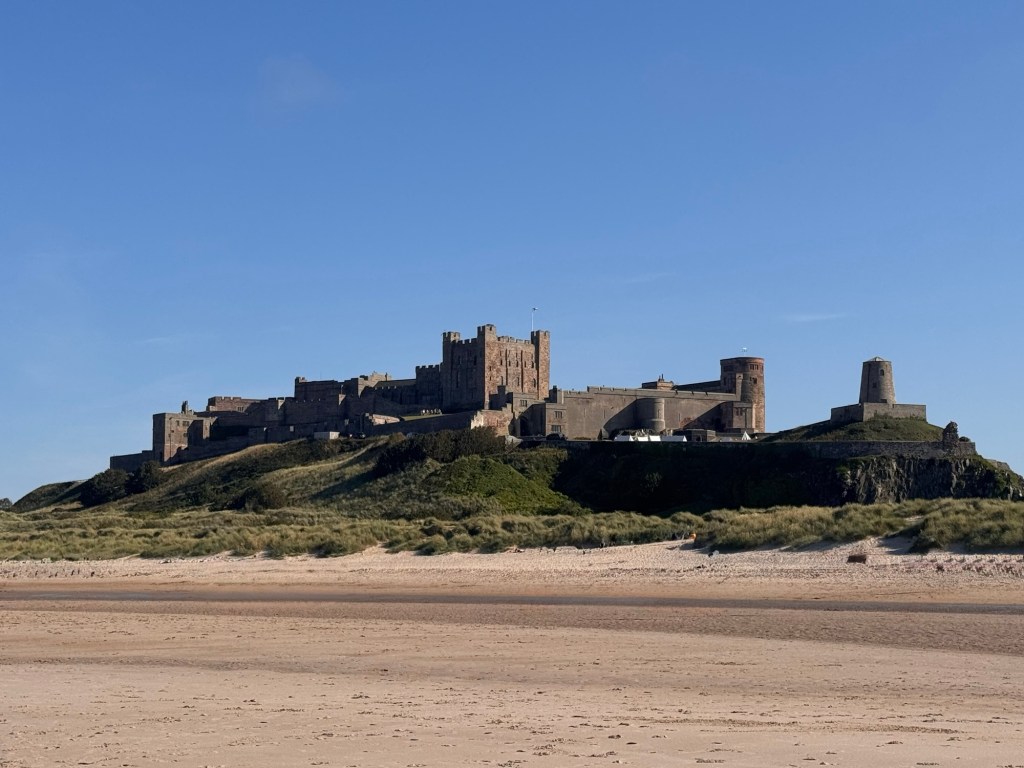
Bamburgh Castle was one of those places. Rising above the shoreline, it feels timeless – a fortress that has witnessed centuries of northern history. But for us, Bamburgh wasn’t only about its past. The wide stretch of beach below the castle became its own highlight: the kids running across the sand, chasing waves, and letting the wind do what it does best on that coast. It was one of those moments where the history overhead and the freedom below belonged together, a reminder that trips like this work best when they leave room for both meaning and play.
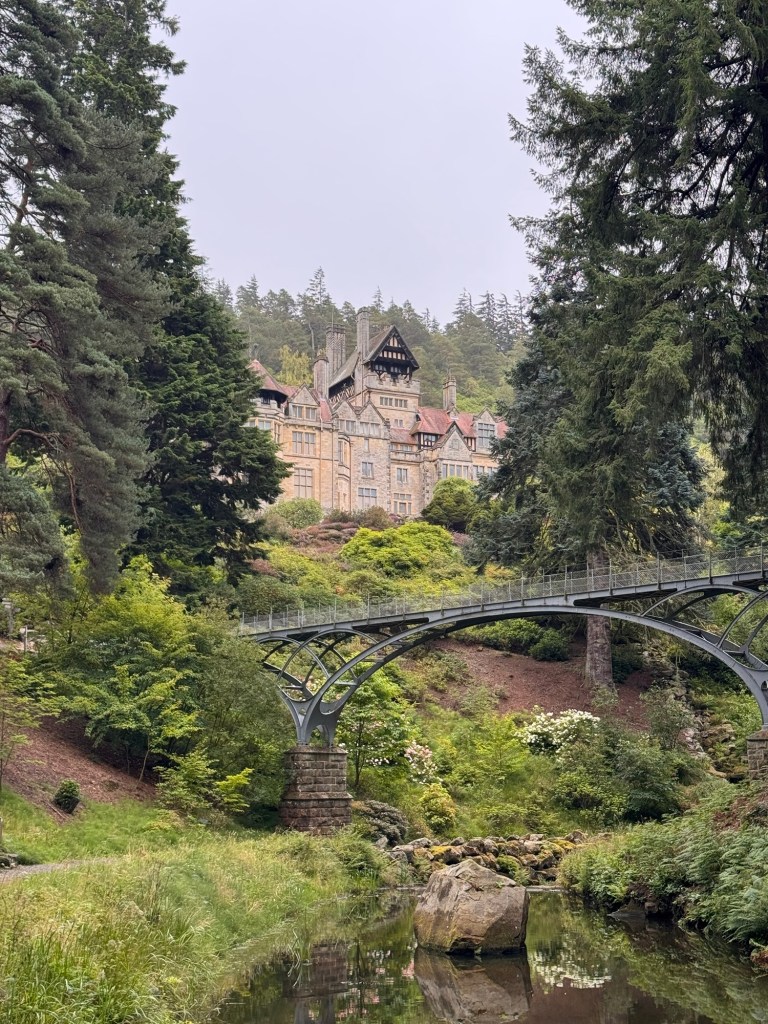
Going inland brought us to Cragside, which added another layer to the week. If the early Church shaped the spiritual landscape, Cragside spoke to creativity and curiosity, the Victorian push toward innovation. Walking through its woodland trails and rocky paths gave us a different kind of exploration, one that let everyone move at their own pace. The kids climbed and wandered; the adults enjoyed the calm of the forest and the fascinating modernity of the house itself. It felt like the perfect counterpart to the coastal sites.
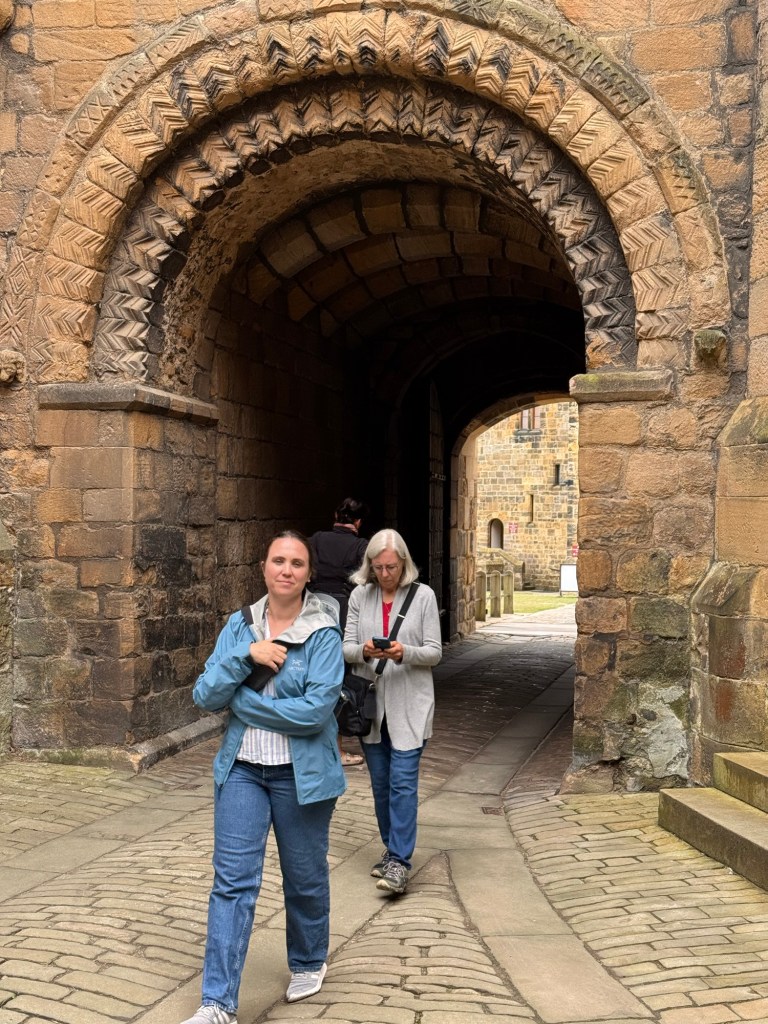
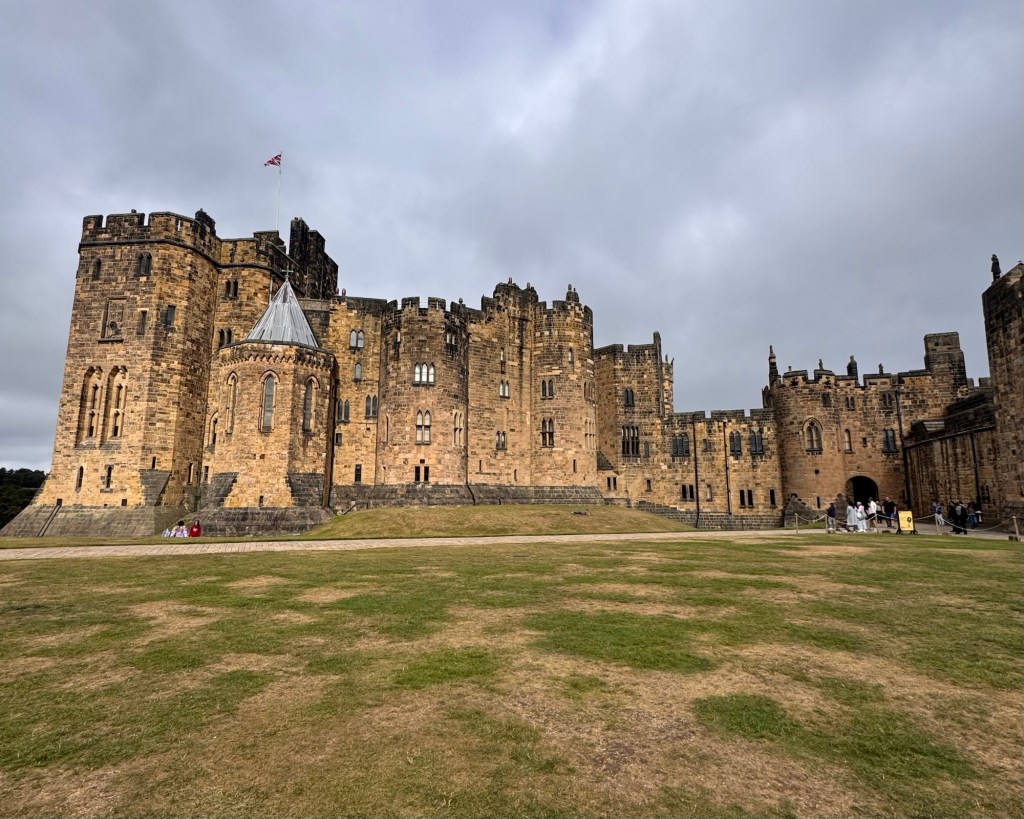
And then there was Alnwick Castle, which pulled everything together with unexpected ease. It offered the fun of its Harry Potter filming spots, the depth of its long Percy family history, and the charm of a home that is still very much lived in. It was one of those rare places where everyone found something to enjoy – lively enough for fun, interesting enough for the adults, and beautiful enough to stand confidently on its own.
Looking back, what tied everything together wasn’t just the history, but the pace of the trip. The Northeast encourages you to slow down, to take in the scenery, to sit with the stories, to walk a bit further simply because the view keeps changing. We found small moments that balanced the big narratives: sandy shoes from wandering the beaches, stone towers built on the shore, long paths through Cragside’s woods, and card games at the end of the day.
By the time we headed home, the region had settled into memory as a place where England’s early Church, its resilient medieval identity, and its Victorian creativity all sit comfortably within the same landscape, and where a family can enjoy both the history and the quiet, joyful moments in between.
It’s a part of England I’d return to in a heartbeat: rooted, beautiful, and full of stories you understand best when you’re standing right where they happened.

 Hidden Catholic
Leave a comment